
DDRB Case Management
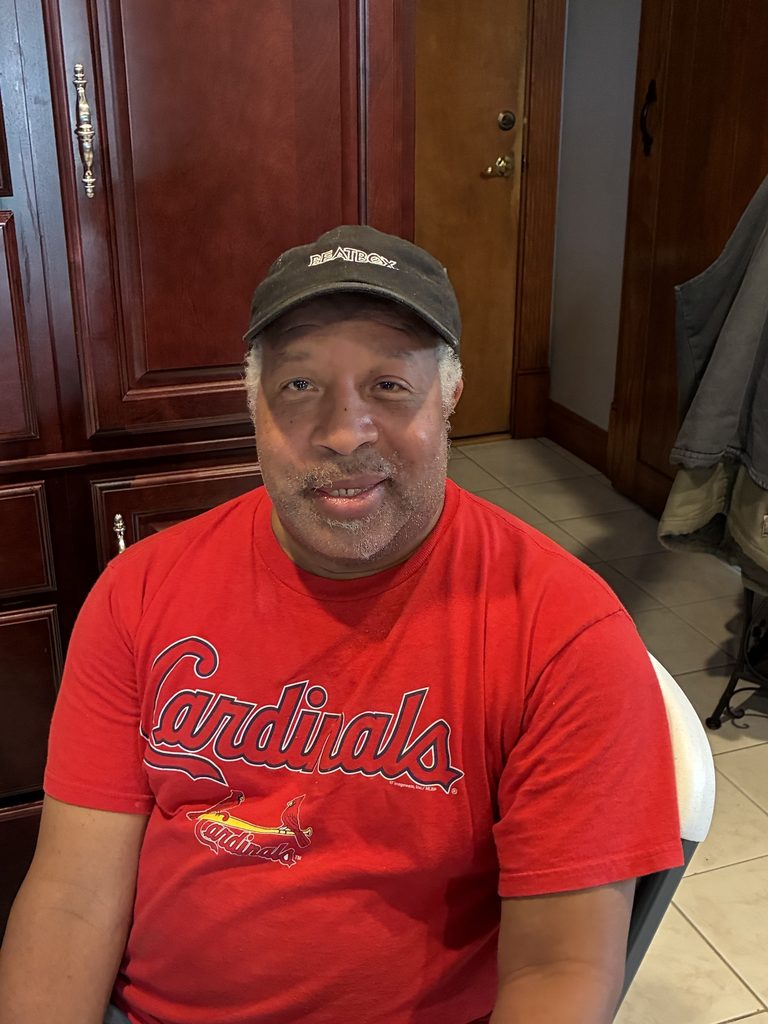
At 56 years old, Willie had a life that worked for him. He had a steady job at BCI, drove himself to work, enjoyed his favorite places, and followed a routine that was as predictable as the sunrise. His days were simple, structured, and comfortable. Work, a stop at Golden Corral, home to watch television, and then off to bed. The next day, he would do it all over again.
Willie was a quiet, lovable man who was never one to use a lot of words. During the initial intake process, his mother completed the paperwork and did most of the talking. We knew Willie was independent and had an established routine, but we didn’t yet fully understand how much support he needed behind the scenes to maintain that independence
Then, life changed in a way that Willie wasn’t fully prepared for. His mother passed away, and suddenly, the person who had been his greatest source of support was no longer there.
Willie was now living alone, and the responsibilities that had once been managed for him became his to navigate. As we began looking more closely at his circumstances, it became clear that he was facing challenges that went far beyond simply adjusting to life without his mother.
Managing medications, keeping up with household bills, budgeting, and making important decisions were becoming increasingly difficult. Our priority was to help Willie remain as independent as possible while making sure he had the support he needed to stay safe.
We started by applying for a Community Support Waiver in hopes of securing a personal assistant who could help Willie with everyday responsibilities and provide regular check-ins. We wanted to preserve the familiar routine Willie valued so much while ensuring he had someone available to help when needed.
As a newer case manager, I was still learning the ins and outs of this process. I was fortunate to have colleagues who took the time to guide me, answer questions, and help me navigate the steps involved. It was a reminder that sometimes being a good advocate also means being willing to learn, ask questions, and accepting a little help yourself.
We had a plan, and we were hopeful. But sometimes, even the best plans need a little adjusting.
As time went on, we discovered that Willie’s mortgage and utilities were not being paid. Eventually, his water was disconnected, and despite his brother’s efforts to help, the situation continued to worsen. His brother lived about an hour away and had a family and responsibilities of his own. Willie was struggling to manage his finances, and eventually, his home went into foreclosure.
One of the hardest parts of this journey came when Willie was locked out of his home while many of his personal belongings were still inside. This was a moment when advocacy became more than a word in a service plan. It meant making phone calls, asking questions, navigating complicated situations, and continuing to push for a solution.
After some persistence and a little runaround, we were able to work with the foreclosure company to arrange access so Willie could retrieve his belongings. It may have seemed like a small victory to someone on the outside, but to Willie, it was an important piece of his life that he was able to take with him.
The challenges didn’t stop there. Willie spent several nights at a crisis center while we worked to determine the next steps. His brother helped arrange a temporary hotel stay, and eventually, a housing opportunity became available through another community connection. We were hopeful once again, but the financial arrangement was not sustainable, and Willie could not afford to remain there for a long time.
So, we went back to the drawing board.
At this point, it was becoming increasingly clear that Willie needed more than occasional check-ins and help with household responsibilities. His safety had become a significant concern. His vehicle had broken down, he needed glasses, he was managing diabetes, and it was no longer safe for him to continue driving.
These were difficult conversations because the last thing we wanted was for Willie to lose his independence, he had worked so hard to maintain. But supporting independence sometimes means recognizing when a person needs more help than they did before.
Our team began looking at the bigger picture, including the possibility of guardianship and the need for a more structured living arrangement. We advocated for an emergency Comprehensive waiver, explored residential options, made connections, asked questions, and kept searching for a place where Willie could feel safe, comfortable, and, most importantly, at home.
There were several possibilities along the way, and Willie was welcomed and cared for by the people we met. Eventually, a connection led us to a host home that seemed to offer exactly what he needed. Even better, someone already living in the home worked at BCI and knew Willie. The two connected, and little by little, the pieces began to fall into place.
Throughout this process, Willie’s employer, BCI, played an important role. The team worked with Willie to arrange a leave of absence while his living situation was being resolved. His workplace remained in contact, returned calls and emails, and continued to show genuine concern for his well-being.
That kind of support matters more than people may realize. Willie wasn’t just an employee whose circumstances had changed. He was a person they cared about, and they wanted to see him succeed.
As the team came together, everyone continued to ask the same important question: What does Willie need?
Not what was easiest or most convenient, but what would allow Willie to have a safe, meaningful, and fulfilling life?
After many conversations, meetings, phone calls, and a whole lot of persistence, the transition finally came together. Willie met his new host family, and his brother had the opportunity to meet them as well. Everyone felt comfortable moving forward, and Willie was happy with the arrangement.
Today, Willie is safe, settled, happy, and back to work. He has a home where he is supported, a familiar routine, and the opportunity to continue doing the things he enjoys.
And now, for my favorite part of the story.
For a long time, Willie had a habit of calling me every morning. His calls would start around 8 a.m. And if I was unable to answer, he was more than happy to try again a few minutes later, and then a few minutes after that!
Willie has never been a man of many words, so our conversations were usually short and sweet. But those calls became part of my own morning routine, and I came to appreciate them more than he probably knew.
Then Willie moved into his host home, settled, and started enjoying his new life.
And suddenly, the phone stopped ringing.
No morning calls. No repeated attempts to reach me. Nothing!
I remember joking, “Willie, did you fire me, you don’t call me anymore!” And honestly, I couldn’t have been happier.
Those morning calls were once a reminder that Willie needed support and reassurance. Now, the silence is a reminder that he is settled, surrounded by people who care about him, and busy living his life.
Willie’s journey was not an easy one. It took patience, persistence, teamwork, and a community of people who refused to give up when the path forward became uncertain. But through it all, the goal remained the same: to make sure Willie had the opportunity to live safely, maintain his independence, and feel at home.
Sometimes, the greatest success isn’t being the person someone calls every morning. It’s knowing that you’ve helped them build a life where they no longer need to. And for Willie, seeing him happy, safe, back at work, and enjoying his new home makes every phone call, every challenge, and every step of the journey worth it.